Farm and Livestock CCTV in Kuwait: Mobile Viewing
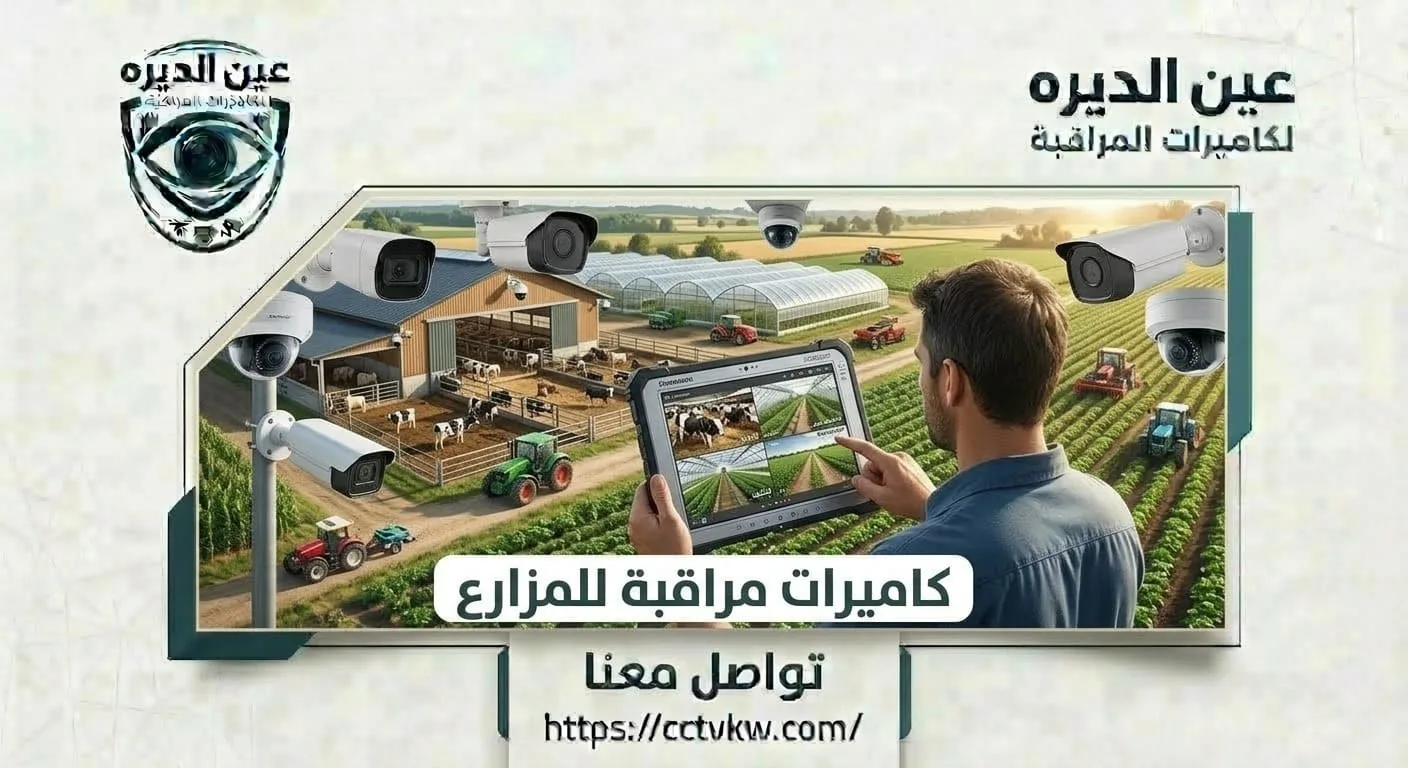
Farms and livestock properties (jawakhir) in Kuwait hold valuable assets: livestock, farm equipment, feed, pumps and sometimes vehicles and storerooms. Most owners live in the city and visit only at certain times. That makes CCTV with mobile viewing an essential way to follow the property, the animals and the workers from anywhere.
Monitoring a farm or livestock property is very different from monitoring a home. Areas are wide, gates are many, dust and heat are severe and the internet is not always strong. This article explains how to plan farm and livestock CCTV that covers gates, pens, yards and stores while giving you reliable viewing on your phone.
It is wise to involve the worker responsible for the farm in planning. They know where most movement happens, when suppliers arrive and which points have seen trespassing or theft before. This practical knowledge helps place cameras where they are genuinely useful instead of guessing.
How Should a Farm Cover Gates and Livestock?
Correct planning starts with defining the goal of each camera. On a farm or livestock property, the goals are usually:
• Entry and exit monitoring: at the main gate and side gates.
• Livestock checks: inside and around pens, to make sure animals are safe.
• Protecting equipment and feed: in stores and yards.
• Following daily work: worker attendance and daily tasks.
• Perimeter monitoring: fences and open areas.
Each goal needs a different camera type and angle, so draw a site plan and mark every point before buying.
Install Cameras at Farm Entrances in Kuwait
The main gate is the most important point on any farm, because everyone and everything passes through it: people, cars and feed trucks.
Begin with the farm gate
To cover the gate effectively:
• Mount one camera to capture faces clearly at entry, at a suitable height.
• Add a second, wider camera covering vehicles before and after the gate.
• If you need number plates, choose a dedicated camera mounted at a suitable angle.
• Make sure night lighting is adequate, or choose a camera with strong IR or color night illumination.
Cameras for Livestock Shelters and Pens
Monitoring pens is special because the goal is not only security but also peace of mind about the animals: births, illness, an animal stuck or escaping.
Livestock areas need careful placement
Tips for pens:
• Mount cameras out of the animals' reach so they cannot damage them.
• Protect cables in strong conduit, as animals may chew or pull them.
• Choose cameras resistant to dust, moisture and the ammonia found in pens.
• Avoid cameras with bright visible light that disturbs animals at night; use infrared.
• Cover water and feeding points, where animals gather most.
Large pens also benefit from being divided into zones: birthing, young animals and feeding. Some livestock owners use cameras to watch pregnant animals during night-time births instead of staying on site, which saves time and adds peace of mind.
Cover Yards and Storage Buildings
Yards and stores often hold valuable equipment such as tractors, pumps, generators and feed sacks. These areas need clear coverage that reveals any unusual movement.
Split yards and stores into distinct views
A common mistake is mounting one wide-angle camera to cover an entire yard. The result is a general view with no detail. Better options:
• Divide the yard into zones and assign a camera to each important zone.
• Mount a camera at each store door to capture who enters and leaves.
• Use a PTZ camera in large yards, provided fixed cameras still cover sensitive points.
Remote Farm CCTV Viewing on a Phone
Mobile viewing is the main reason farm owners install cameras, and its success depends mainly on the internet connection at the farm.
Phone viewing needs a reliable upstream connection
Internet options at farms and livestock properties:
• Fixed-line internet: the most stable option where available.
• A SIM-based router: the most common option, depending on signal strength.
• An external antenna: boosting reception in weak-coverage areas.
To improve phone viewing, set the cameras' sub-stream to a resolution suited to remote viewing while recording the main stream at high quality. Recording continues locally on the recorder even if the internet weakens.
Cameras Suitable for Dust and Heat
Kuwait's farm environment is harsh on electronics: intense summer heat, dust and sandstorms, and humidity at times.
Choose equipment for heat and dust
For a longer system life:
• Choose cameras with a high dust and water protection rating.
• Confirm the operating temperature range can handle Kuwait's summer.
• Place the recorder in an air-conditioned or shaded, ventilated room, not a hot storeroom.
• Use a UPS to protect equipment from power fluctuations.
• Clean lens covers regularly, especially after dust storms.
A point many people forget is protecting cameras and cables from birds and insects. Birds sometimes nest on top of cameras or inside brackets, and insects enter open junction boxes. Sealed junction boxes, suitable covers and periodic inspection keep the image clear and the system stable.
Multiple-Gate Livestock Property CCTV
Many livestock properties have more than one gate: one for vehicles, one for animals and a rear gate for workers or deliveries. Each gate has a different scenario.
Different gates need different monitoring goals
• Vehicle gate: needs coverage of vehicles and drivers' faces.
• Livestock gate: needs coverage of animal movement and counts in and out.
• Rear gate: usually the least watched and therefore the most vulnerable, so it needs special attention.
In multi-gate systems, configure motion alerts on gates only, during set periods such as night, so you are notified of any unexpected entry.
If the farm has worker accommodation, their privacy must also be respected. Point cameras at work areas, gates and stores, and avoid filming inside living quarters. It is best for workers to know the cameras exist and where they are, which itself reduces misconduct and creates a clear working environment.
Selecting Cameras for Open Farm Areas
Large farms have long distances between the gate, living quarters, pens and stores, which creates a cabling and connectivity challenge.
Long open distances require engineered links
Long-distance solutions:
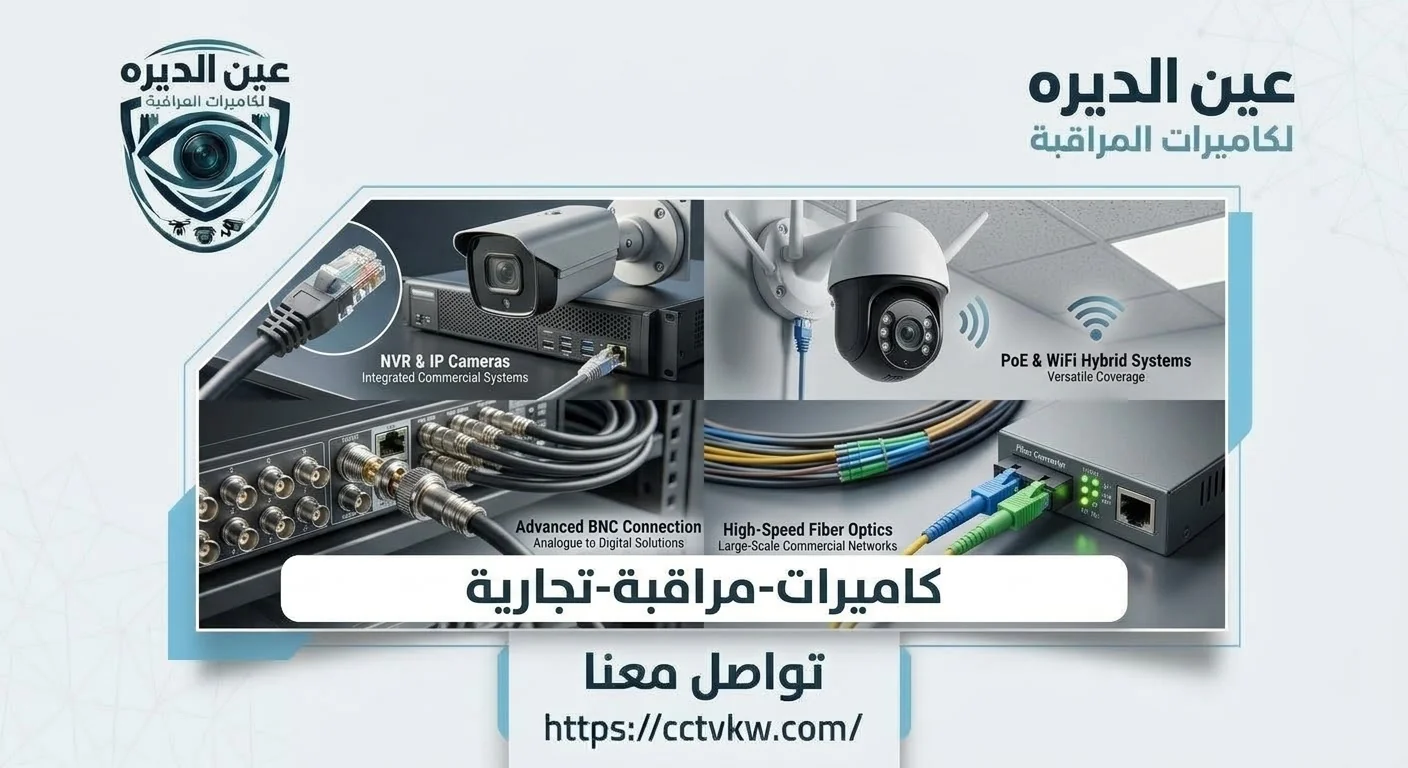
• Network cable with intermediate switches: to overcome the maximum single-cable length.
• Fiber optic: for very long distances, with converters at both ends.
• Wireless bridges: linking distant buildings without cabling, provided there is clear line of sight.
• Zoom-lens cameras: covering longer distances from a single point.
Many farms suffer power cuts or fluctuations, especially in summer when pumps and air conditioners run. A UPS for the recorder, switch and router is essential so recording and viewing continue during short outages. For remote corners without power, solar cameras are an option.
Plan Farm and Livestock Camera Coverage
1. Visit the site and draw a plan of gates, pens, yards and stores.
2. Define the goal of each point: security, livestock or work monitoring.
3. Check power supply and internet availability.
4. Choose suitable cameras for each point and its conditions.
5. Plan cable routes and long-distance solutions.
6. Install the recorder in a secure, cooled location with a UPS.
7. Configure mobile viewing and alerts.
8. Test image and recording by day and by night.
After installation, take time to learn the app fully: viewing several cameras, finding recordings by date and time and saving a clip to your phone. These simple skills make a big difference when you need them.
What Affects Farm CCTV Installation Work?
|
Factor |
Effect |
|
Farm size and distances |
Decide cabling and connectivity solutions |
|
Number of gates and buildings |
Decides camera count |
|
Internet availability |
Decides mobile viewing quality |
|
Pen environment |
Decides protection and mounting |
|
Dust and heat |
Decide protection rating and recorder location |
|
Power source |
Decides need for a UPS or alternative power |
Request Farm Surveillance Planning

If you want to follow your farm or livestock property from your phone, the Deera Eye team visits the site, plans coverage for gates, pens, yards and stores, chooses equipment suited to dust and heat, configures mobile viewing and tests the system before handover. Request a plan through the form on our website and mention the approximate farm size and the number of gates and buildings.
Conclusion
Farm and livestock CCTV in Kuwait needs different planning from a home: a dedicated scenario for each gate, protected cameras in pens, yards divided into zones, equipment that withstands dust and heat, long-distance links and a stable internet connection for mobile viewing. Planning correctly from the start gives you a system that protects your property and animals and gives you peace of mind while you are away.
Frequently Asked Questions
Can I view farm CCTV remotely by phone?
Yes, if the farm has internet through a fixed line or SIM router and the recorder is correctly linked to the app.
Do livestock cameras need special protection?
Yes. They should be mounted out of animals' reach, with protected cables and cameras resistant to dust and moisture.
Is one camera enough for a wide farm gate?
Usually not. It is better to have one camera capturing faces up close and a second wider camera for vehicles and general movement.
What happens if farm internet drops?
Recording continues on the local recorder, but remote viewing and alerts stop until the connection returns.
Need this service?
CCTV Installation ←