
CCTV Cables in Conduit Kuwait | Installation Guide

CCTV Cable Installation in Conduit: Methods in Kuwait
Do you want CCTV cables installed inside protective conduit so the work looks tidy, wiring is protected, and the exterior of your home or business remains presentable? The best result begins with planning the route for each camera and establishing whether suitable conduit already exists or needs to be installed. The cost of running a CCTV camera cable depends on more than its length: cable type, conduit bends, access for pulling, junction boxes, working height, and final testing all affect the job. Planning during construction is different from pulling cables through a finished property. This guide explains how CCTV conduit installation works, when concealed routes are practical, how existing pipes are assessed, and what information to send Deera Eye before requesting a quotation.
What Does Installing CCTV Cables Inside Conduit Mean?
Installing CCTV cables in conduit means routing video, network, or electrical power cabling through a suitable dedicated pathway that helps organize and protect it according to the location and surveillance technology. The route may be concealed inside walls before finishing work or placed in neat surface-mounted conduit after construction. The goal is not simply hiding wires: it is also providing a maintainable, appropriate route while following relevant safety and separation requirements.
Concealed Versus Surface-Mounted Conduit
Concealed conduit must be planned during construction or installed using suitable existing pathways. Surface-mounted conduit can be practical in shops, warehouses, and completed properties where opening walls would be disruptive. The right choice depends on appearance, access, the level of protection required, and ease of servicing. In both cases, camera position and junction-box location should be determined before the route is approved.
Does Conduit Prevent Every Cable Problem?
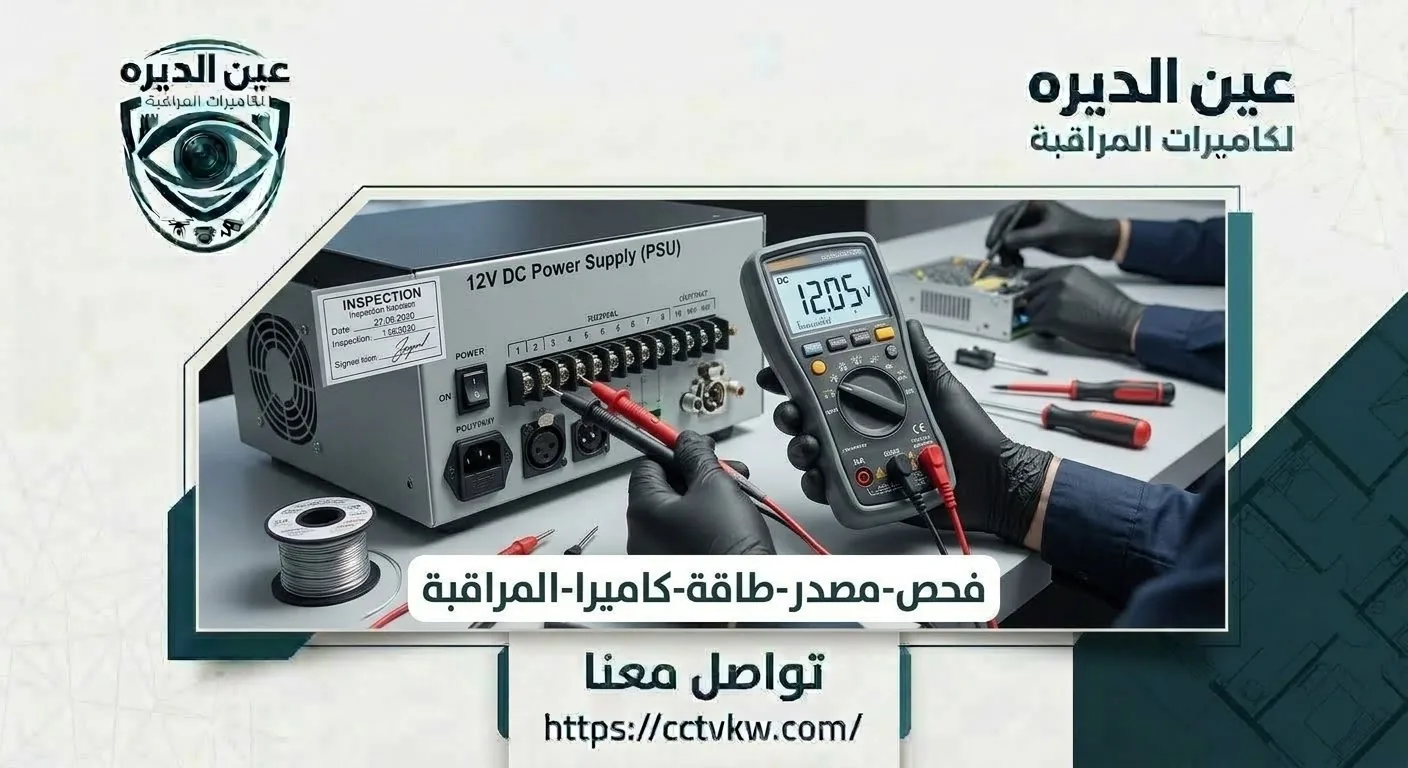
No. Correctly selected and fitted conduit helps protect and organize cables, but it cannot compensate for unsuitable cable quality, excessive pulling force, or unprotected connectors. Too many bends or overcrowded conduit may also make cable installation or replacement difficult. A well-designed route is essential from the beginning.
Factors Affecting CCTV Cable Conduit Installation Costs
The price of running CCTV cables through conduit in Kuwait depends on how many camera points are required, the actual route length, conduit type, existing infrastructure, and whether walls or ceilings are difficult to access. Work at height, opening access points, and installing protected outdoor routes may also affect the price. A per-meter figure alone does not represent the full installation cost without considering associated labor and accessories.
What Should the Cabling Quotation Include?
Ask for cable specifications, included route lengths, protective conduit, junction boxes, mounting accessories, cable pulling, terminations, and tests. Clarify whether the offer includes repairing finished surfaces after drilling, mounting the cameras, or programming the recorder. Each of these activities can change the total project cost significantly.
How Is the Scope of One Conduit-Protected Camera Point Defined?
The cost of installing a CCTV camera point using protective conduit depends on the actual route from its starting point to its destination, not the shortest straight-line distance. A cable traveling through a rooftop route, down to a ceiling, and across to an entrance requires different materials and labor from one beside the equipment room. Each point should be assessed according to its route and required components.
Pulling a CCTV Cable Through Existing Conduit
Running a CCTV cable through an existing conduit may reduce the need for new construction work, but the route must first be confirmed suitable and usable. An older pipe could already contain other wiring, have an obstruction, include tight bends, or end at an unknown location. Using it without checking may damage the cable or delay the job.
What Does the Technician Inspect Before Pulling?
The technician identifies both conduit ends and checks access and usable capacity against the cable and pulling requirements. Existing cables must be identified, and CCTV wiring should not be mixed with incompatible power circuits or placed contrary to safety requirements. If the route is unsuitable, safer alternatives should be discussed instead of forcing the cable through.
Can a New Cable Replace an Older Cable in the Same Pipe?
It may be possible depending on the route and the existing cable, but older wiring should not be pulled out without understanding what it serves. It may still be connected to functioning devices or have an undocumented path. The point should be identified, the pulling approach agreed upon, and the replacement cable tested at both ends.
Installing CCTV Conduit Before Interior Finishing

Preparing CCTV conduit before finishing work offers an opportunity to organize routes without disturbing the completed decoration later. Planning begins by identifying camera positions, doors, parking areas, and the recorder location. Routes can then be arranged to reduce unnecessary crossings and allow access to suitable junction boxes. Changing camera outlets after painting or ceiling finishing may be more disruptive and expensive.
Where Should Camera Outlets and Junction Boxes Go?
Outlet positions should match the intended viewing angle, mounting bracket, and camera height. Avoid locations likely to be blocked later by decorative lights, awnings, or new parts of the facade. A junction box should provide suitable protection and service access according to the equipment specifications, without leaving connections exposed to the weather.
How Should the Conduit Routes Be Documented?
Keep a simple drawing identifying the beginning and end of each route, camera point names, equipment room, and concealed junction boxes. Taking photographs before walls are closed can also help. Documentation makes it easier to add a camera or investigate a fault later without opening finished surfaces at random.
How to Run IP CCTV Network Cables Through Conduit
Installing IP camera cables through conduit has different requirements from systems using a coaxial video cable and separate power wiring. IP cameras communicate over Ethernet, and certain compatible models support Power over Ethernet (PoE), carrying data and electrical power over a suitable network cable. Not every IP camera supports PoE, so device, switch, and recorder specifications must be checked before design decisions are made.
What Are Cat6 Distance Limits for IP Surveillance Cameras?
For standard copper Ethernet installations, the complete channel between active devices is generally limited to 100 meters, including the patch cords at both ends. Structured cabling commonly allows up to 90 meters for the permanent link and the remaining distance for equipment and patch cords. That figure is not a guarantee for every installation: cable quality, termination, temperature, data requirements and PoE power loss must also be considered. For longer distances, the installer should evaluate a suitable network design rather than extending Cat6 beyond standard limits without testing.
For cameras powered through PoE, the installer must also consider cable resistance, length and the camera power requirements. Night lighting and additional features can increase consumption. Where several cameras share a PoE switch, check the total power budget as well as the rating of each port. A network connection does not automatically mean sufficient electrical power is available. Test both the data link and power delivery under realistic operating conditions.
Do IP Cameras Need Separate Power Adapters?
A compatible PoE camera may not need a separate adapter when connected to equipment supporting the appropriate power standard and capacity. Other cameras require different power arrangements. Never assume that every network port provides electrical power. Each device's requirements and available PoE budget should be reviewed before installation.
Concealed CCTV Wiring and Junction Boxes
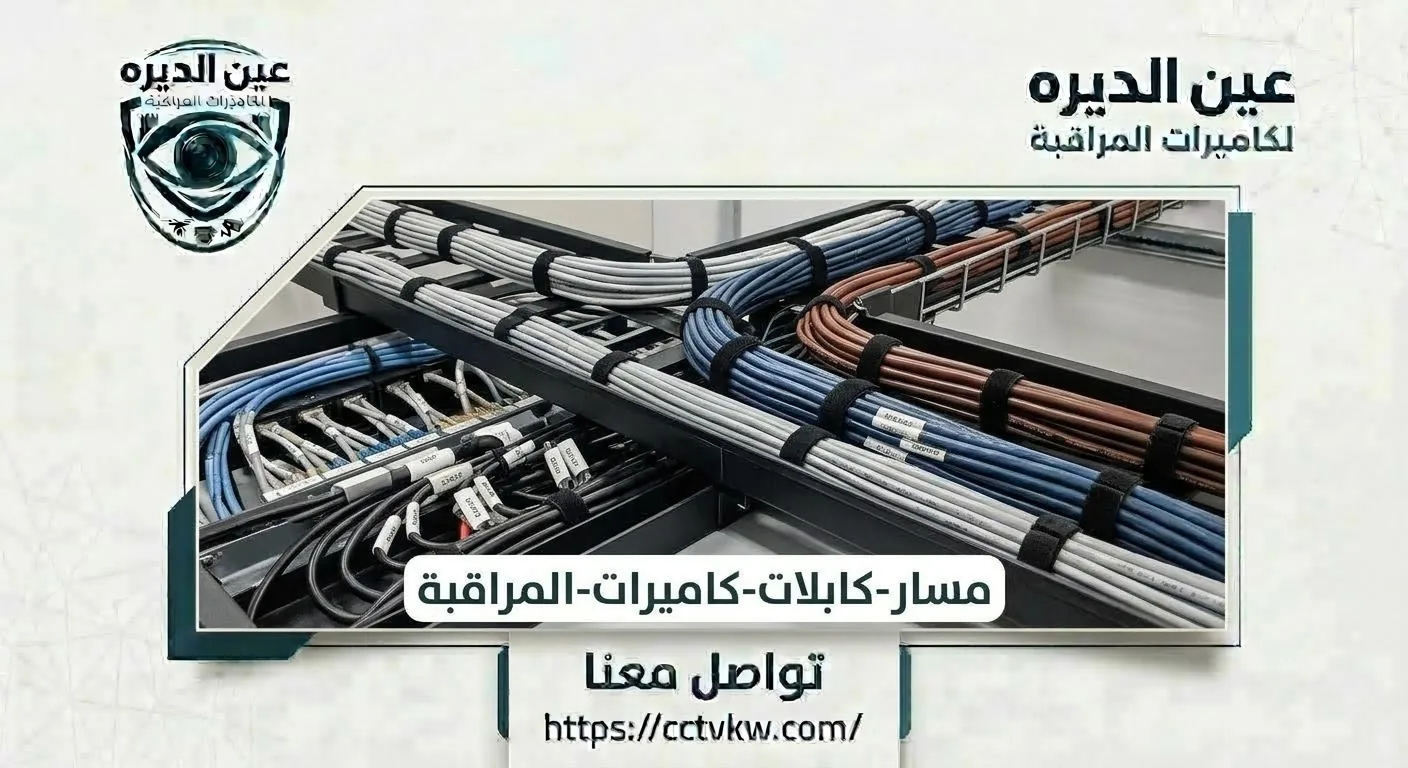
Concealed CCTV cabling should maintain a neat appearance without making future repairs impossible. Some systems need suitable junction boxes near the camera or at a transition between routes, particularly outdoors. Unprotected hidden connectors should not be buried inside walls where they cannot be accessed when a fault develops.
Why Are Junction Boxes Important?
An appropriately selected box helps organize connectors and provides protection suited to the installation location. It can also make later inspection easier. On rooftops and facades, exposure to dust, heat, and moisture should be considered. The box must suit the camera bracket and cabling; a larger but poorly fitted box is not automatically the better choice.
Is Fully Concealed Wiring Always Preferable?
Not always. Organized surface-mounted conduit can be more maintainable and practical in workshops or warehouses. A concealed route may look better in a home still under construction. The decision must balance appearance, future access, cable protection, and camera placement rather than treating one method as universally superior.
CCTV Cables Inside Conduit Versus Outside Conduit For a home package that balances coverage and installation work, see budget CCTV installation.
The difference between running CCTV cable inside and outside conduit involves mechanical protection, organization, future maintenance, and installation costs. Suitable conduit can help protect cabling from abrasion and direct exposure. Unprotected external routes require closer attention to cable rating and environmental conditions. Not every exposed cable is automatically wrong, and not every concealed route is correctly designed; the quality of design and execution matters most.
|
Comparison |
Inside Suitable Conduit |
Outside Conduit |
|---|---|---|
|
Protection |
Organized route and mechanical protection |
Depends on cable rating and exposure |
|
Appearance |
Can be concealed or neatly mounted |
Cable may remain visible |
|
Future changes |
Easier if route remains pullable |
May require new supports or protection |
|
Cost |
Includes conduit, pulling and finishing |
Depends on cable type and mounting |
|
Maintenance |
Depends on junction boxes and access |
Depends on the cable location |
|
Suitability |
Based on design and requirements |
Based on environment and safety rules |
Is Conduit Better for Outdoor Walls?
Protection and organization can be beneficial in many outdoor installations, but the type of conduit, mounting method, and environmental rating matter. Cable routes should avoid exposing connectors to water or leaving network cable under mechanical strain. Choose outdoor-rated components and suitable junction boxes as required by the particular site.
Avoiding Common Mistakes in CCTV Conduit Installation
A frequent installation mistake is routing CCTV IP data cables or video signal lines inside the same conduit as mains power conductors. Design separate pathways, comply with local electrical rules and the project specifications, and provide the required separation or barriers. Avoid overfilling conduit, exposing junctions to moisture, or forcing cable around tight bends. A carefully organized pathway supports safer installation, better troubleshooting and practical future cable replacement.
What Happens When a Network Cable Is Bent Too Sharply?
Excessive bending can damage the cable's structure or affect its performance, particularly with data cables. The installer should respect the manufacturer's bending and pulling limits. If the link performs badly after installation, it should be tested before junction boxes are closed or cameras mounted. Image loss should not automatically be blamed on the camera itself.
How Can the System Remain Easy to Maintain?
Label cables at both ends, document their routes, and provide suitable junction boxes and access points. In larger installations, arrange cable terminations neatly in the recording room or network cabinet. These small decisions make it much easier to identify a faulty route when only one camera stops working.
CCTV Conduit Installation: Step-by-Step Workflow
The work begins with a site inspection, camera positioning, route planning, and identification of wall penetrations. Suitable conduit and cable types are selected before the job is approved. Conduit and junction boxes are then installed, cables pulled according to requirements, connectors terminated, and data or power connections tested. Finally, the cameras are mounted or the outlets prepared for later equipment installation, and a basic route map is handed over.
What Should You Check Before Accepting the Job?
Before accepting the installation, test network and PoE connections where relevant, confirm stable video at the recorder, and document camera outlets and junction box locations. Check that data cables have been routed separately from mains power in accordance with applicable safety rules. For Cat6 runs, check termination quality, link length and the cable specification rather than relying on a picture that appears briefly on the monitor.
Requesting a Quote for Concealed CCTV Cabling in Kuwait

Before asking for a price, provide the number of camera points, recorder location, whether finishing work has been completed, and whether existing conduit may be usable. Explain whether the system uses IP cameras or another technology, and whether the routes are indoors or outdoors. These details help define the work instead of relying on a per-meter figure that ignores drilling, junction boxes, pulling difficulty, and testing.
What Should Be Written in Your Quote Request?
Ask for cable and conduit specifications, expected route length, junction boxes, terminations, camera mounting, and any surface repair after installation. It is also useful to identify who can authorize extra work if an obstruction or unusable conduit is found. You can contact Deera Eye through the surveillance cabling service or its contact page.
Conclusion: Proper Cable Routes Reduce Rework
Installing CCTV cables in conduit makes sense when routes are planned for the correct cable type, camera location, protection needs, and future access. Concealed conduit may help preserve a home's interior design, while neat surface-mounted conduit suits other premises. Calculate costs according to real cable routes, boxes, pulling work, and testing—not simply the shortest distance on a floor plan. If you need conduit installed before finishing or want to pull new cable through an existing route, request a site assessment and clear scope from Deera Eye through the CCTV network cabling service or contact page.
Frequently Asked Questions About CCTV Cables in Conduit
Can CCTV Cables Be Installed Through Existing Conduit?
Yes, when the route is usable, suitable for the cable, and free from serious obstructions. Existing wiring and applicable safety and separation requirements should be checked before pulling begins.
What Affects the Scope of a Conduit-Protected Camera Point?
Cable and conduit types, actual route length, accessibility, junction boxes, terminations, finishing work, and testing. The price can therefore differ from one camera point to another.
Do IP Cameras Require a Special Kind of Conduit?
They require a suitable route for network cabling and the location's environmental and safety conditions. Compatible cameras may use PoE. Cable bending, pulling, termination, and separation requirements still matter.
Does Conduit Eliminate CCTV Cable Failures?
No. Correct conduit helps protect and organize wiring but cannot prevent every problem. Cable quality, connector protection, proper installation, and testing remain essential.
Is It Better to Install CCTV Conduit Before Finishing Work?
It often makes concealed routes and outlet positioning easier, but suitability depends on the construction stage. Existing conduit or neat surface-mounted alternatives may be considered for completed properties.
Need this service?
Network & Cabling ←